
Understanding the Cost of Sober Living in Colorado
As individuals seek recovery from addiction, many consider sober living as a vital step in their journey towards lasting sobriety. If you're exploring the cost of sober living in Colorado, it's essential to understand what to expect in 2026. Prices can vary significantly based on location, amenities, and the level of support offered, typically ranging from $800 to $2,500 per month.
Monthly Price Ranges
In Colorado, the sober living cost is influenced by various factors, including the type of home, its location, and the services included. Here's a breakdown of typical monthly costs:
- Budget Homes: $800 - $1,200
- Mid-Range Homes: $1,200 - $1,800
- Upscale Homes: $1,800 - $2,500
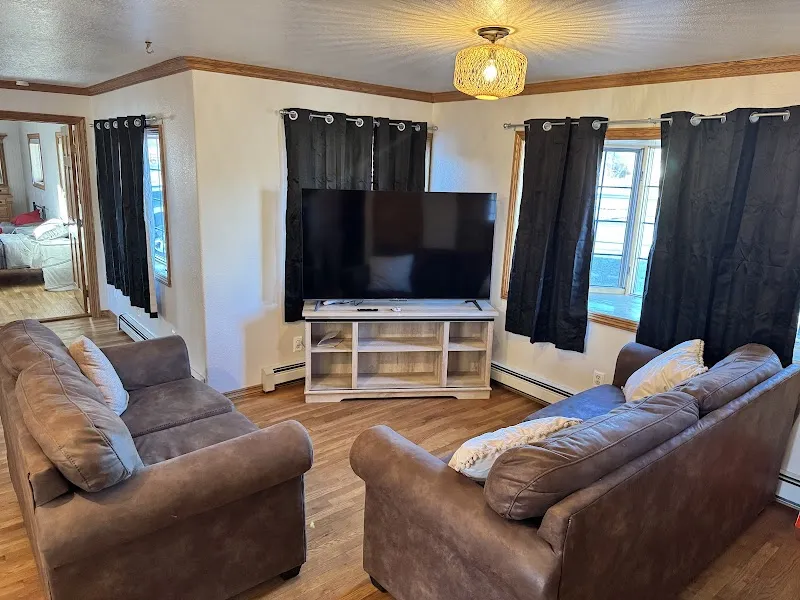
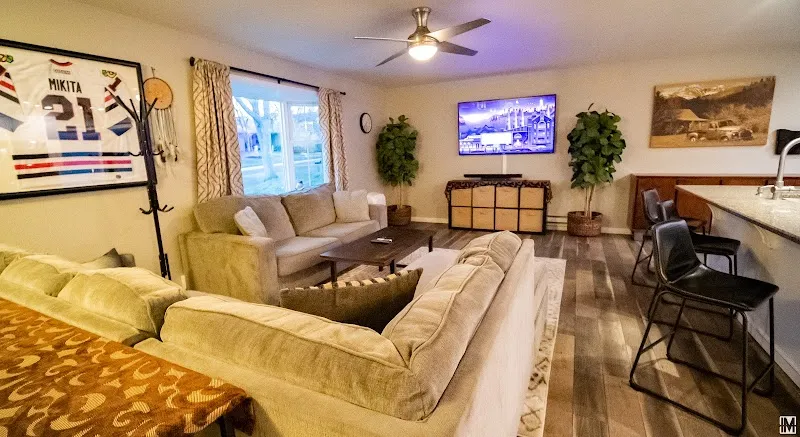
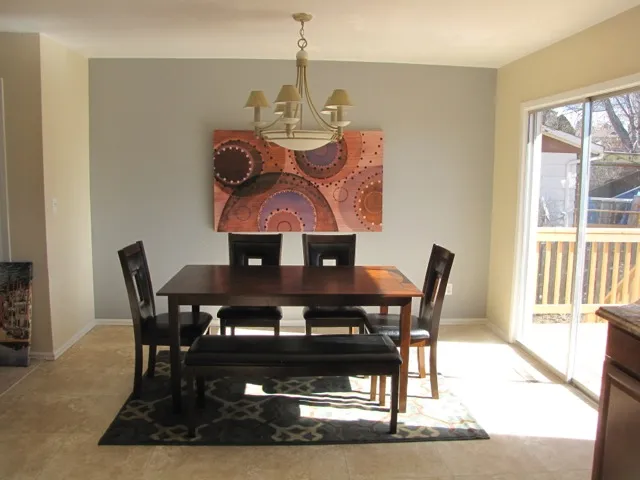
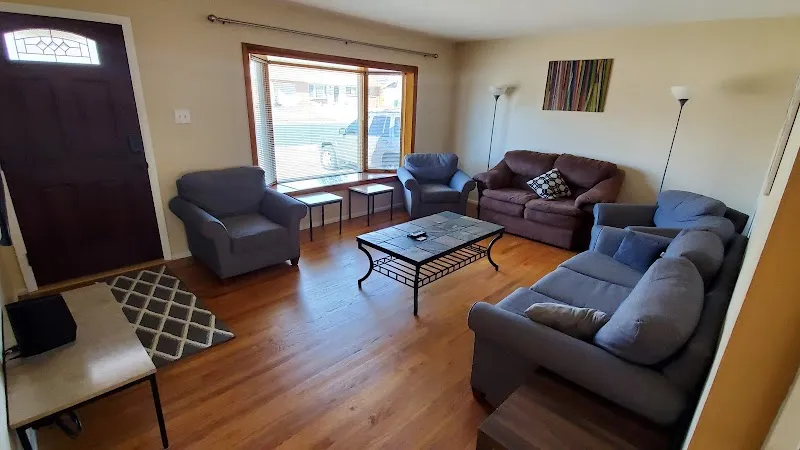
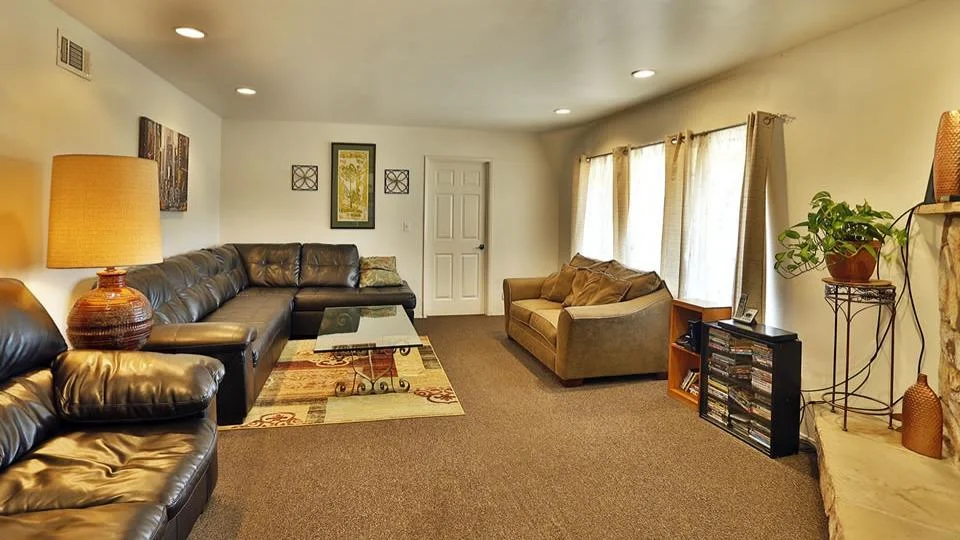
Budget homes tend to offer basic accommodations and fewer amenities, while mid-range options provide a balance of comfort and support. Upscale homes often feature private rooms, higher staff-to-resident ratios, and additional services such as therapy sessions.
What Drives the Cost of Sober Living?
Several factors contribute to the differences in sober living costs:
- Location: Urban areas like Denver and Boulder generally have higher living costs, leading to elevated sober living prices compared to rural locations.
- Amenities: Facilities with more amenities—such as gyms, recreational areas, or transportation services—tend to charge more.
- Staff Qualifications: Homes with licensed therapists or trained recovery coaches may charge higher rates due to the level of care provided.
- Program Length: Short-term stays may have different pricing structures compared to long-term commitments.
What’s Included in the Cost?
When evaluating how much does sober living cost, it’s crucial to understand what is typically included:
- Room and board
- Access to shared living spaces
- House rules and structure
- Support group meetings
- Occasional drug screenings
Some facilities may offer additional clinical services for an extra fee, which can enhance your recovery experience.
Insurance and Medicaid Considerations
In Colorado, sober living itself is usually not covered by insurance or Medicaid. However, some clinical services associated with recovery, such as therapy or counseling, may be covered. It's advisable to check with your insurance provider regarding specific coverage options. Additionally, many sober living facilities are willing to work with individuals to help navigate these challenges.
Free and Low-Cost Options
For those facing financial constraints, there are often free or low-cost options available:
- Non-profit recovery programs
- Scholarships offered by certain sober living homes
- Community resources and support groups
Researching local resources is essential to finding the best fit for your financial situation.
Judging Value in Sober Living
When comparing facilities, consider the following to ensure you’re getting good value:
- Staff credentials and experience
- Success rates and testimonials from former residents
- Quality of living conditions and amenities
- Opportunities for additional support or therapy
Make sure to visit potential homes and ask questions to assess the environment and support offered.
Red Flags to Watch Out For
While exploring sober living options, be aware of potential red flags:
- Body-brokering: This unethical practice involves facilities paying for clients, which can lead to compromised care.
- Pay-to-stay kickbacks: Be cautious of homes that incentivize residents to bring in more clients for financial gain.
- Lack of transparency: If a facility is unwilling to provide clear information about costs and services, consider it a warning sign.
Always trust your instincts and prioritize your recovery when choosing a sober living home.
For more information on verified Colorado sober living homes or to explore treatment options, feel free to reach out. If you need immediate assistance, don’t hesitate to get help now.
This article is for informational purposes only and does not constitute medical or financial advice. Always confirm current pricing directly with providers.
More Recovery Resources in Colorado
Sober Network is a directory, not an intake form. Explore local facilities and contact providers directly.