
Medication-Assisted Treatment (MAT) represents a compassionate approach to addiction recovery, combining the use of medications with counseling and behavioral therapies to treat substance use disorders. In Colorado, various MAT options are available, providing individuals with the support they need to reclaim their lives from addiction. This article explores the foundations of MAT, the medications commonly used, how it integrates with counseling, and the resources available for those seeking help.
¿Qué es el tratamiento asistido con medicamentos (TAM)?
MAT is a holistic approach to treating substance use disorders, primarily for opioid addiction. It aims to reduce withdrawal symptoms and cravings, allowing individuals to focus on their recovery journey. By combining medication with counseling and support services, MAT addresses the physical, emotional, and psychological aspects of addiction, fostering a more comprehensive recovery process.
Medicamentos utilizados en la terapia asistida con medicamentos
Several medications are commonly used in MAT, each serving a unique purpose in the recovery process:
- Suboxone (buprenorfina): This medication is a partial opioid agonist that helps reduce cravings and withdrawal symptoms without producing the same euphoric effects as full opioids. It is often used in outpatient settings and can be prescribed by certified healthcare providers.
- Metadona: A long-acting opioid agonist, methadone is administered in a controlled setting and is effective in reducing cravings and withdrawal symptoms. It is typically offered through specialized clinics and requires regular visits for administration.
- Naltrexona (Vivitrol): This medication blocks the effects of opioids, preventing the feeling of euphoria. Vivitrol is an extended-release injectable form of naltrexone, making it convenient for individuals who may struggle with daily medication adherence.
Cómo funciona MAT con la terapia psicológica
While medications play a vital role in MAT, counseling is equally essential for successful recovery. Counseling provides individuals with tools and strategies to cope with triggers, develop healthy habits, and rebuild their lives. Here’s how MAT works in conjunction with counseling:
- Asesoramiento individual: Personalized therapy sessions allow individuals to explore their feelings, understand their addiction, and develop coping mechanisms.
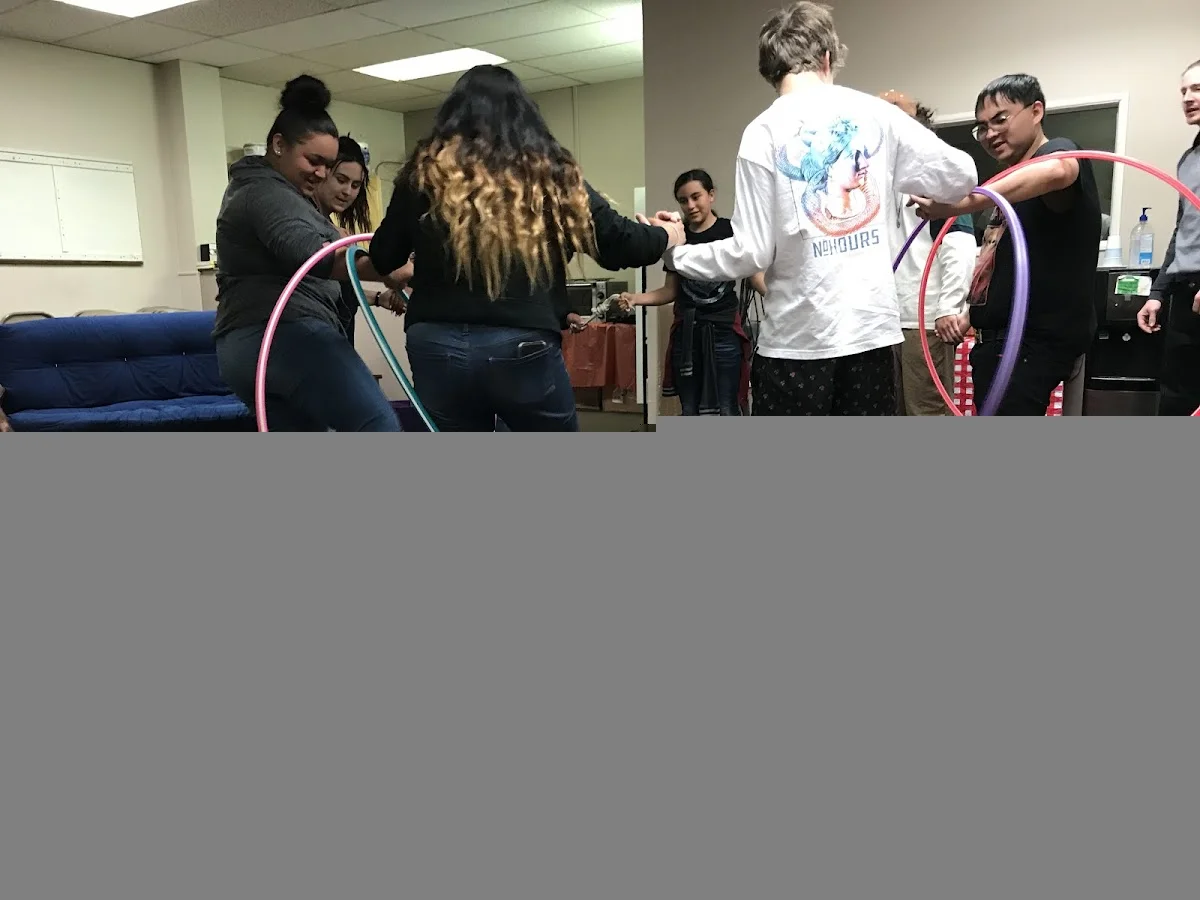
- Terapia de grupo: Participating in group sessions fosters a sense of community and support, helping individuals realize they are not alone in their struggles.
- Participación familiar: Engaging family members in the recovery process can strengthen support systems and improve outcomes.
Finding MAT Providers in Colorado
For those seeking MAT in Colorado, there are numerous resources available to find qualified providers:
- Colorado Department of Human Services: The state’s website offers a directory of licensed treatment facilities and providers.
- Administración de Servicios de Salud Mental y Abuso de Sustancias (SAMHSA): SAMHSA’s national helpline provides information about local MAT providers and treatment options.
- Local Clinics and Hospitals: Many healthcare facilities in Colorado offer MAT programs and can connect individuals with appropriate services.
Cobertura de seguro para MAT
In Colorado, many insurance plans cover MAT, including the medications used and counseling services. It’s essential for individuals seeking treatment to check with their insurance provider to understand their coverage options. Medicaid and Medicare also provide coverage for MAT services, ensuring access to necessary care for those who qualify.
Abordar el estigma en torno a la terapia asistida con medicamentos
Despite the effectiveness of MAT, stigma surrounding its use can be a significant barrier to seeking help. It is crucial to educate communities about the benefits of MAT and address misconceptions. Here are some ways to combat stigma:
- Educación comunitaria: Providing information about MAT’s effectiveness and the science behind it can help shift perceptions.
- Personal Stories: Sharing success stories of individuals who have benefited from MAT can humanize the experience and inspire hope.
- Grupos de apoyo: Engaging in discussions within support groups can foster empathy and understanding among peers.
Tasas de éxito de MAT
Research indicates that MAT significantly improves recovery outcomes. Studies show that individuals participating in MAT are more likely to remain in treatment, reduce illicit drug use, and experience fewer overdose deaths. The combination of medications and counseling creates a robust support structure that enhances long-term recovery success.
¿Quiénes son los que más se benefician de la terapia asistida con medicamentos?
MAT is particularly beneficial for individuals struggling with opioid use disorder, but it can also aid those dealing with alcohol use disorders. It is an effective option for:
- Individuals with a history of relapse: MAT helps reduce cravings and withdrawal symptoms, making it easier to maintain sobriety.
- Those with co-occurring mental health disorders: MAT, combined with therapy, can address both addiction and mental health issues simultaneously.
- Individuals looking for a comprehensive treatment approach: The combination of medication and counseling offers a well-rounded path to recovery.
In conclusion, Medication-Assisted Treatment offers a compassionate and evidence-based approach to addiction recovery in Colorado. By understanding the available options and resources, individuals can find the support they need to embark on their journey toward healing and a healthier future.
Sober Network is a directory, not an intake form. Explore local facilities and contact providers directly.