
Finding the Right Path: Addiction Treatment Centers in Colorado for 2026
Facing addiction is a challenging journey, and finding the right treatment center is a crucial first step towards lasting recovery. For those residing in or considering treatment in Colorado, the landscape of options can seem overwhelming. This guide aims to provide a comprehensive overview of what to look for in addiction treatment centers in Colorado, focusing on elements we anticipate will be key in 2026.
Understanding Your Needs: A Personalized Approach
Before exploring specific treatment centers, it's vital to assess your individual needs. Consider these factors:
- Substance of Abuse: Different substances require specialized treatment approaches. Look for centers with expertise in addressing your specific addiction (e.g., alcohol, opioids, stimulants).
- 중독의 심각도: This determines the level of care needed. Options range from outpatient therapy to intensive inpatient programs.
- 동반 질환: Many individuals with addiction also experience mental health conditions like depression or anxiety. "Dual diagnosis" treatment addresses both simultaneously.
- 보험 적용 범위: Understand your insurance plan's coverage for addiction treatment. Contact your provider to clarify benefits and pre-authorization requirements. Many centers in Colorado accept major insurance plans.
- 개인 선호도: Consider factors like location, gender-specific programs, holistic therapies, and spiritual or faith-based approaches.
Levels of Care: From Detox to Aftercare
Addiction treatment is not a one-size-fits-all process. A continuum of care ensures individuals receive the appropriate level of support at each stage of recovery. Here's a breakdown of common levels of care available in Colorado:
- 해독: This is often the first step, involving medically supervised withdrawal management. Detox centers in cities like Denver and Colorado Springs provide safe and comfortable environments to manage withdrawal symptoms.
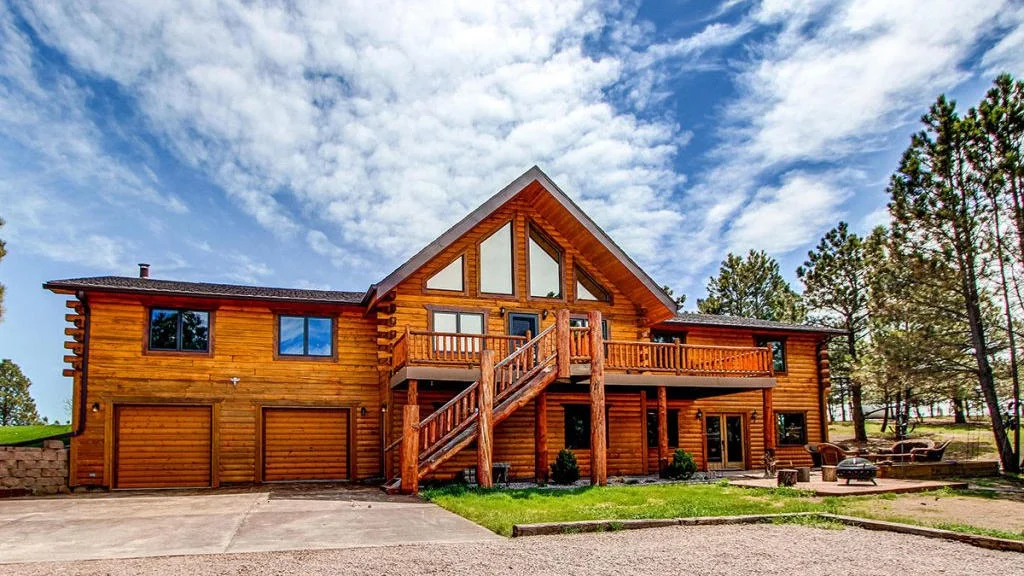
- 입원/거주 치료: This offers 24/7 care in a structured setting. Inpatient programs are ideal for individuals with severe addictions or co-occurring disorders. Many residential facilities are located in scenic areas of Colorado, promoting a healing environment.
- 부분 입원 치료 프로그램(PHP): This is a day program offering intensive therapy and support services. Individuals return home in the evenings.
- 집중 외래 환자 프로그램(IOP): This provides structured therapy and support several days a week. IOP allows individuals to maintain their daily routines while receiving treatment.
- 외래 환자 치료: This involves individual or group therapy sessions on a less frequent basis. Outpatient therapy is suitable for individuals with less severe addictions or as a step-down from more intensive treatment.
- 금주 생활 시설: These offer a supportive, substance-free living environment for individuals transitioning from inpatient treatment. Sober living homes often require residents to attend meetings and participate in household chores.
- Aftercare: This encompasses ongoing support services like therapy, support groups (e.g., Alcoholics Anonymous, Narcotics Anonymous), and alumni programs. Aftercare is crucial for maintaining long-term sobriety.
Key Features of Effective Treatment Centers in 2026
Looking ahead to 2026, certain features will be essential for effective addiction treatment centers:
- 증거 기반 실천: Centers should utilize therapies with proven effectiveness, such as Cognitive Behavioral Therapy (CBT), Dialectical Behavior Therapy (DBT), and Motivational Interviewing (MI).
- 약물 보조 치료(MAT): For opioid and alcohol addiction, MAT combines medication with therapy to reduce cravings and prevent relapse. Access to MAT will be increasingly important.
- 개인 맞춤형 치료 계획: Treatment should be tailored to each individual's unique needs and goals.
- 자격을 갖춘 직원: Look for centers with licensed therapists, counselors, and medical professionals specializing in addiction treatment.
- Focus on Co-occurring Disorders: Integrated treatment for mental health conditions is crucial for long-term recovery.
- 가족 참여: Family therapy and support can play a significant role in the recovery process.
- Telehealth Options: The availability of telehealth services will expand access to treatment, particularly for individuals in rural areas of Colorado.
- 기술 통합: Expect to see greater use of technology in treatment, such as mobile apps for relapse prevention and virtual reality for craving management.
- Holistic Approaches: Many centers in Colorado incorporate holistic therapies like yoga, meditation, art therapy, and outdoor activities to promote overall well-being.
Finding Treatment Centers in Colorado Cities
- Denver: As the state's capital, Denver offers a wide range of treatment options, from luxury rehabs to community-based programs.
- Colorado Springs: This city provides a more relaxed environment with a focus on outdoor activities and holistic therapies.
- Boulder: Known for its health-conscious community, Boulder offers treatment centers with a strong emphasis on wellness and mindfulness.
- Fort Collins: This university town provides a supportive environment for young adults seeking addiction treatment.
Accreditation and Licensing
Ensure that any treatment center you consider is licensed by the Colorado Department of Human Services and accredited by reputable organizations like the Joint Commission or CARF International. Accreditation indicates that the center meets certain quality standards.
The Road to Recovery in Colorado
Choosing the right addiction treatment center is a significant decision. By carefully considering your individual needs, understanding the levels of care available, and researching potential facilities in cities like Aspen or Pueblo, you can increase your chances of a successful recovery journey in Colorado. Remember to prioritize evidence-based practices, qualified staff, and a personalized approach to treatment. Recovery is possible, and the right support system can make all the difference.
More Recovery Resources in Colorado
Sober Network is a directory, not an intake form. Explore local facilities and contact providers directly.