
Women's Sober Living Homes in Colorado: A Guide to Finding Support
For women navigating the path of addiction recovery in Colorado, sober living homes offer a structured and supportive environment crucial for long-term sobriety. These homes, also known as transitional housing, provide a bridge between intensive treatment programs and independent living, fostering a community of women committed to recovery. This guide explores the key aspects of women's sober living homes in Colorado, helping you understand what they offer, how to find the right fit, and what to expect during your stay.
Why Choose a Women's Sober Living Home?
Gender-specific sober living environments offer several advantages. Women often face unique challenges related to addiction, including trauma, relationship issues, and societal expectations. A women's-only setting can create a safer and more comfortable space to address these issues openly and honestly. Here's why it is a helpful option for recovery:
- Reduced distractions: Removing the presence of men can minimize romantic distractions and potential power dynamics that could hinder the recovery process.
- Shared experiences: Women can connect with others who understand their struggles and build a strong support network based on shared experiences.
- Focus on women's issues: Programs often incorporate therapies and support groups specifically tailored to address issues common among women in recovery, such as body image, motherhood, and domestic violence.
- Enhanced safety: A women-only environment can provide a sense of security and reduce the risk of triggering past trauma.
What to Expect in a Women's Sober Living Home in Denver (and Beyond)
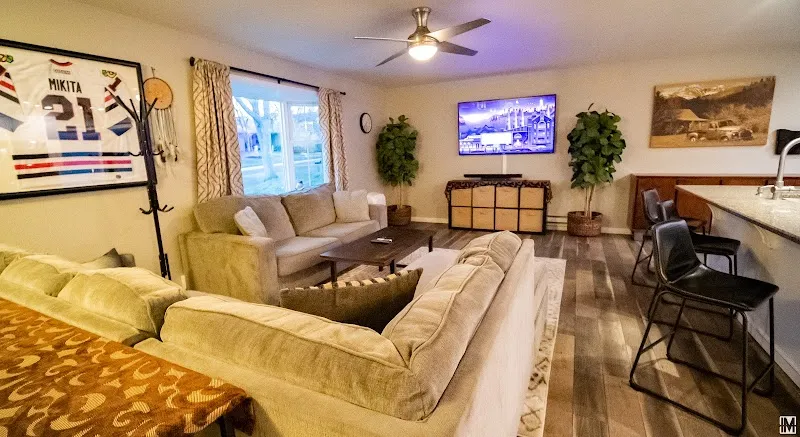
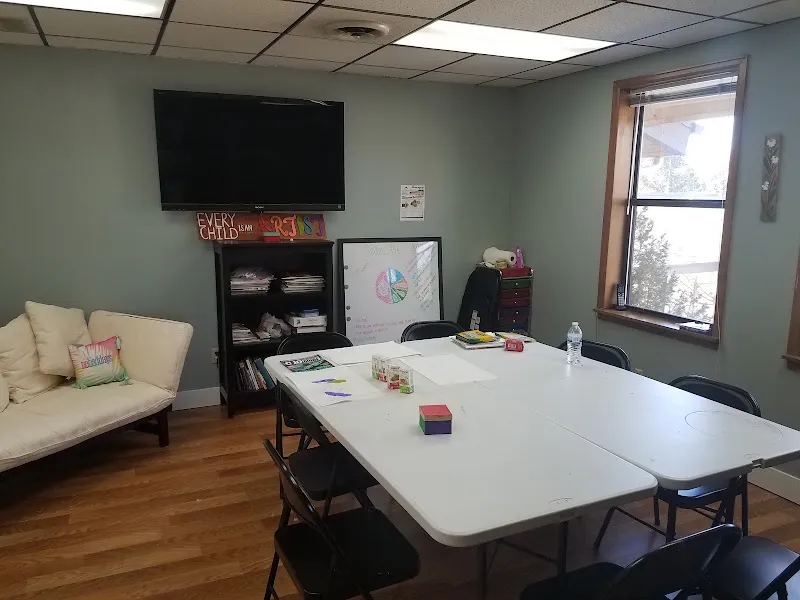
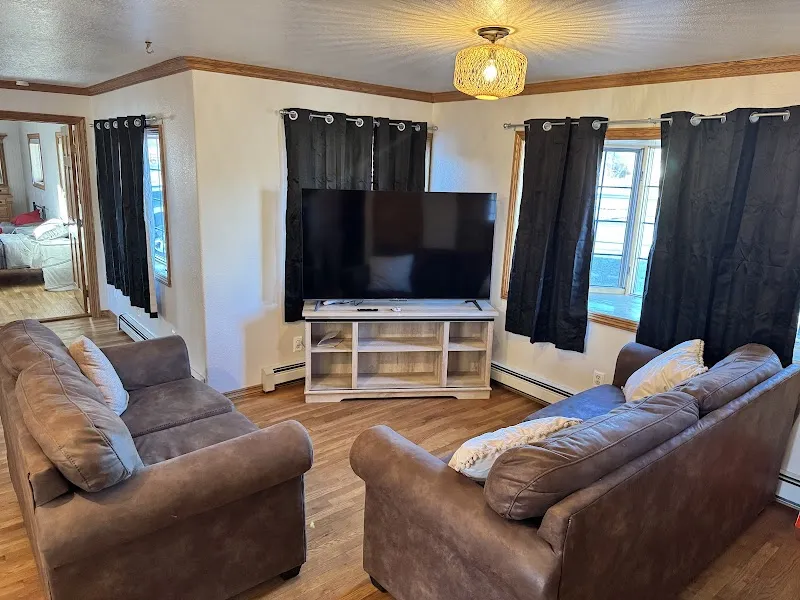
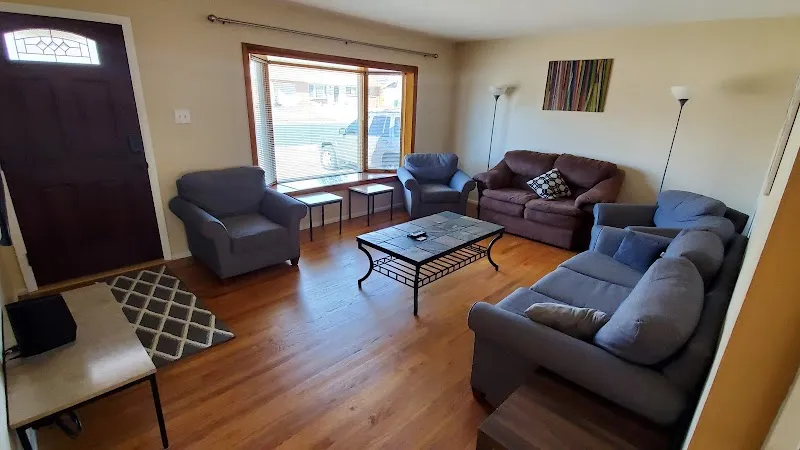
Sober living homes are not treatment facilities; they are structured living environments designed to reinforce the principles learned in treatment. While the specific rules and amenities vary, most homes in Colorado share common characteristics:
- Structure and Rules: Expect a structured daily routine with curfews, mandatory house meetings, and regular drug and alcohol testing. These rules help maintain a safe and sober environment.
- Apoio entre pares: Residents are expected to support each other's recovery through encouragement, accountability, and shared activities.
- 12-Step Involvement: Many homes encourage or require participation in 12-step programs like Alcoholics Anonymous (AA) or Narcotics Anonymous (NA). You'll find numerous meetings throughout Colorado Springs and other cities.
- Aconselhamento individual: While the homes themselves don't provide intensive therapy, residents are typically required to attend individual counseling sessions with a qualified therapist.
- Employment or Education: Residents are usually expected to be employed, actively seeking employment, or enrolled in educational programs. This promotes responsibility and reintegration into society.
- House Chores: Residents share responsibility for maintaining the cleanliness and upkeep of the home.
- Random Drug and Alcohol Testing: To ensure sobriety, random drug and alcohol testing is a standard practice.
Finding the Right Sober Living Home in Colorado
Choosing the right sober living home is a crucial step in your recovery journey. Here are some factors to consider when making your decision:
- Localização: Consider the proximity to your support network, employment opportunities, and transportation options. Are you looking to stay in Boulder, or perhaps a more rural setting?
- Custo: Sober living homes vary in price, so it's important to understand the monthly fees and what they include. Inquire about payment options and potential financial assistance.
- Regras e regulamentos: Ensure that the house rules align with your values and recovery goals. Do you agree with the curfew, meeting requirements, and other expectations?
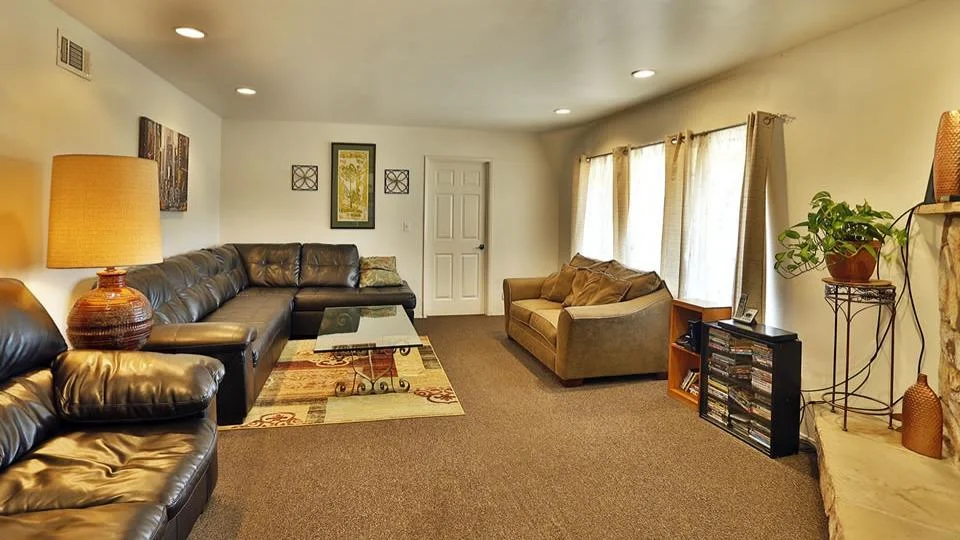
- Comodidades: Consider the amenities offered, such as Wi-Fi, laundry facilities, and recreational activities. While these are not the primary focus, they can contribute to your comfort and well-being.
- Apoio à equipe: Inquire about the level of staff support available. Are there house managers or counselors on-site? What are their qualifications and experience?
- Licensing and Accreditation: Check if the sober living home is licensed or accredited by a reputable organization. This ensures that the home meets certain standards of quality and safety. While Colorado does not have mandatory licensing for all sober living homes, those that are certified often adhere to higher standards.
- Visit the Home: If possible, schedule a visit to the sober living home to meet the residents and staff, and get a feel for the environment. This is a great opportunity to ask questions and address any concerns.
Questions to Ask When Choosing a Sober Living Home
Preparing a list of questions before contacting or visiting a sober living home can help you gather the information you need to make an informed decision. Here are some examples:
- What are the admission requirements?
- Qual é o custo mensal e o que está incluído?
- What are the house rules and regulations?
- What is the policy on drug and alcohol testing?
- What is the level of staff support available?
- Are residents required to attend 12-step meetings?
- What are the consequences of violating house rules?
- What is the average length of stay?
- What is the discharge process?
- Do you offer any financial assistance or payment plans?
Resources for Finding Women's Sober Living Homes in Colorado
Several resources can help you find women's sober living homes in Colorado:
- Your Treatment Provider: Your therapist or counselor can provide recommendations based on your individual needs and recovery goals.
- Diretórios online: Websites like Sober House Directory and Oxford House offer listings of sober living homes in Colorado.
- Grupos de apoio: Attend local AA or NA meetings in Pueblo or Grand Junction to connect with other women in recovery and ask for recommendations.
- Referral Agencies: Some agencies specialize in referring individuals to appropriate treatment and sober living options.
Making the Transition
Moving into a sober living home can be a significant adjustment. Be patient with yourself, embrace the support of your peers, and focus on your recovery goals. Remember that you are not alone, and many women in Colorado have successfully navigated this path. Embrace the structure, participate actively in the community, and utilize the resources available to you. With commitment and support, you can build a strong foundation for long-term sobriety and a fulfilling life.
Mais recursos de recuperação no Colorado
- Medication-Assisted Treatment (MAT) in Colorado: What to Know
- Colorado AA Meetings: Types, Formats & What to Expect
- IOP and PHP Programs in Colorado: How Intensive Outpatient Works
- Explore opções de casas de recuperação para pessoas em recuperação no Colorado.
- Encontre centros de desintoxicação no Colorado
- Obtenha ajuda gratuita agora
Sober Network is a directory, not an intake form. Explore local facilities and contact providers directly.